
The history of gambling: From ancient times to modern casinos
The Origins of Gambling
The history of gambling can be traced back to ancient civilizations, where games of chance and betting behaviors were commonplace. Archaeological evidence suggests that as early as 3000 BC, the Chinese were playing games with dice made from animal bones and betting on the outcomes. Similarly, artifacts from ancient Egypt reveal that betting was intertwined with various games, often held in social settings. These early forms of gambling were not just about chance; they often had significant cultural and social implications.
In addition to dice, ancient cultures utilized a range of objects as gambling tools, including knucklebones and sticks. The Greeks and Romans took gambling further by creating games based on luck and strategy, engaging in activities that would flourish in public arenas. From the very start, gambling was tied to both leisure and the opportunity for wealth, reflecting societal norms and values surrounding risk-taking and fortune.
Furthermore, the rituals surrounding these early gambling practices often intertwined with religious beliefs and community gatherings, emphasizing the communal aspect of betting. For many ancient cultures, gambling served not only as an entertainment source but also as a way to foster relationships among members of the community. These shared experiences contributed to the legacy of gambling as a ubiquitous pastime in various civilizations.
The Evolution Through the Ages
Throughout the Middle Ages, gambling underwent transformations that directly reflected the societal shifts of the time. While betting was initially seen as a pastime for the wealthy, the emergence of card games in the 14th century provided access to the lower classes. This democratization of gambling laid the groundwork for games like poker and blackjack, which are still enjoyed today. However, the Church and state began to impose restrictions on gambling, considering it morally dubious and often equating it with sinfulness.
Nevertheless, despite these constraints, gambling remained prevalent. Lotteries, often sponsored by governments, became an extraordinary means of raising revenue for public projects. This duality of gambling as both a vice and a revenue source set the stage for future developments as societies navigated the complex relationship between legality and morality.
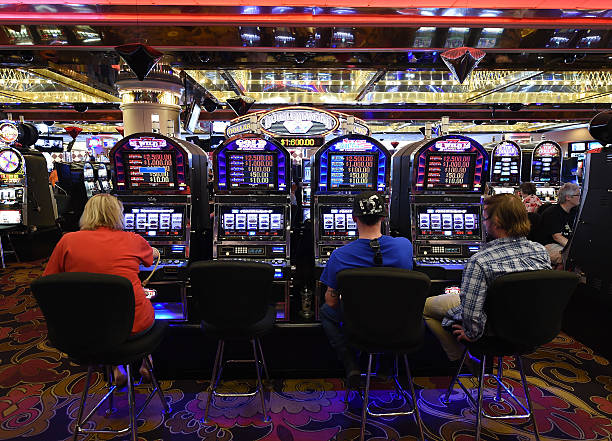
As the Renaissance unfolded, cultural and artistic advancements began to impact gambling as well. Literature and art from this era featured gambling themes, showcasing both the allure and the dangers it posed. The exploration of gambling in literature reflected its growing complexity and significance in society, indicating that it was more than just a game of chance; it was a reflection of human behaviors and societal structures.
The Rise of Modern Gambling Establishments
The 17th and 18th centuries marked a pivotal shift in the history of gambling with the establishment of dedicated gambling houses. The first official casino opened in Venice in 1638, creating a model for future establishments that would dot Europe and beyond. These casinos quickly became hotbeds of social interaction and entertainment, catering to the upper echelons of society. As more people began to indulge in the thrill of betting, casinos adopted more structured games and sophisticated regulations.
As gambling spread across the Atlantic, American settlers brought their own traditions with them. The introduction of gambling houses and racetracks proliferated in the United States, particularly in New Orleans, New Jersey, and Las Vegas. The latter would eventually evolve into a global gaming capital, famed for its extravagant casinos and diverse gambling options. This era established a critical foundation for modern gambling as a legitimate industry.
In addition to the financial implications, gambling establishments often played important roles in their local economies. They created jobs, attracted tourism, and stimulated ancillary businesses such as hotels and restaurants. This symbiotic relationship emphasized the potential benefits of regulated gambling, paving the way for a more accepted view of the industry as a vital aspect of recreational and economic activity.
The Digital Revolution in Gambling
With the dawn of the internet in the late 20th century, the gambling landscape underwent yet another transformation. Online gambling exploded in popularity, providing players with unprecedented access to a wide variety of games and betting options from the comfort of their own homes. No longer limited to physical locations, online platforms revolutionized the way people engage with gambling. This shift also prompted discussions about regulation, security, and addiction in a digital context.
Moreover, technologies such as virtual reality and blockchain are now influencing the future of gambling. Innovative platforms that incorporate social gaming and live dealer experiences are redefining customer engagement, ensuring that the industry remains relevant and appealing to a new generation of gamblers. The interplay of traditional and digital gambling continues to evolve, shaping the future of this age-old pastime.
Furthermore, as online gambling becomes more mainstream, issues surrounding responsible gambling have also gained attention. Many platforms now implement features to help players manage their gaming habits, including setting deposit limits and providing self-exclusion options. This shift towards promoting a safer gambling environment speaks to the industry’s growing awareness and commitment to player welfare.
Exploring Online Gambling Opportunities
As the landscape of gambling continues to diversify, exploring various online options has become increasingly attractive. For instance, the proliferation of virtual casinos offers a plethora of games, including slots, poker, and table games, catering to a diverse audience. Players can choose from everything to innovative new titles to classic games, enabling them to enjoy the thrill of gambling from virtually anywhere.
For enthusiasts keen on experiencing the best gaming opportunities, finding reputable platforms becomes essential. Resources like best online pokies australia guide players in selecting trusted sites that are not only entertaining but also secure. As the online gambling world continues to expand, it remains imperative for players to stay informed about regulations and practices to ensure a safe and enjoyable experience.
Additionally, the incorporation of mobile technology has made gambling more accessible than ever. Players can engage in gaming through their smartphones and tablets, making it seamless to join games on the go. This adaptability has appealed to a younger demographic, who appreciate the convenience and immediacy of online platforms. As the industry adapts to these trends, the future of gambling is poised for exciting and transformative changes.